
Roof care · audit · reroof · maintain
Roof audits, reroofing and maintenance for factories
An industrial metal roof is meant to last 20 to 25 years. Many fail in 10 to 12, and the reason is rarely the sheet. After handover the contractor leaves, the architect moves on, and nobody looks at the roof again until water is on the floor. By then the fasteners have backed out, the gutters have been blocked for three monsoons and the rust has gone through.
We do three things about that: a scored audit of the roof you have, repairs or reroofing done while your plant keeps running, and a maintenance contract that puts our engineers on the roof every two to three months. The work is carried out by MNF Projects LLP, the execution arm of the same company that rolls the sheets, so the people diagnosing the roof are the people who make and fix roofs for a living.
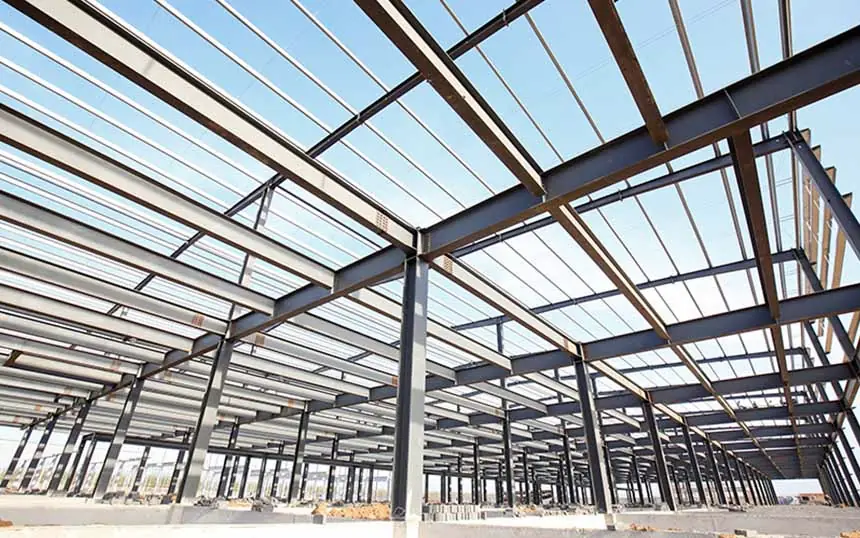
Roof audit
A zone-by-zone inspection of fasteners, laps, leak paths, corrosion, drainage, condensation, structure and safety, scored out of 100 in a written Roof Health Passport.
Reroofing and repairs
Repair, reroof or reinforce, decided from the audit. Done bay by bay while production continues.
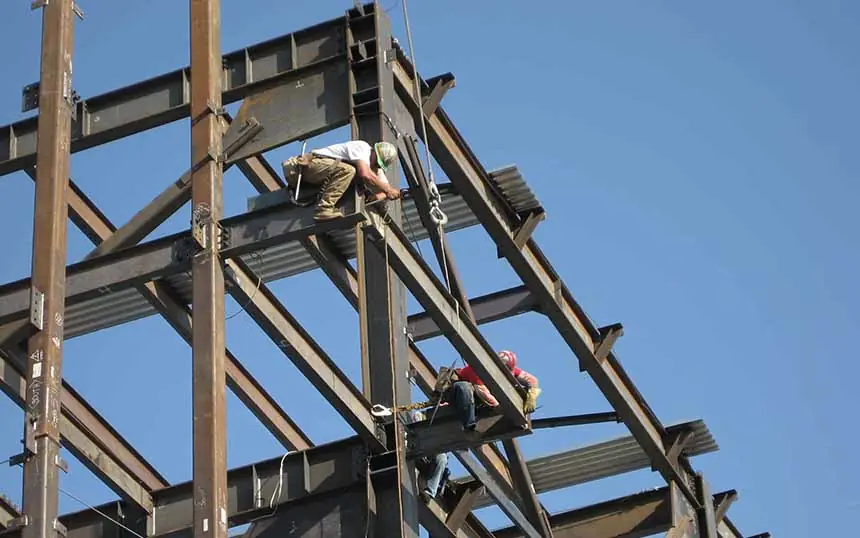
Annual maintenance contract
An inspection every two to three months and after every storm, gutters cleaned before the monsoon, fasteners checked, and every visit logged in the passport.
Who this is for
Plant heads and owners of factory and warehouse roofs, mainly in the automobile, electronics, paper and packaging and rubber industries, and now food and FMCG plants and logistics sheds as well. Ask for the one-page roof rule book, the nine rules your staff and vendors should follow on any metal roof.
When to get a roof assessed
You do not need a leak to book an audit, and by the time there is one the cheap fix has usually passed. These are the triggers we see most often.
- The roof is more than 8 to 10 years old and nobody has been up there since it was built.
- Leaks come back every monsoon in the same places after every repair.
- You can see rust streaks, loose or missing fasteners, or sheets that lift and rattle in the wind.
- Gutters overflow in heavy rain, or plants are growing in them.
- Skylights are cracked, yellowed or patched with tarpaulin.
- You are about to put solar panels on the roof. The panels will be there for 25 years and the roof underneath needs to last as long.
- You are extending the building and want to know whether to join new sheet to old.
- The monsoon is six weeks away.
How the work runs, in six steps
First we audit the roof, walking every zone and photographing every defect. Then we diagnose, which means working out for each defect what will happen if it is left, whether that is a leak over a machine, a sheet coming off in a storm or a purlin losing section to rust. Next we prioritise, so the report separates the two things that need doing this month from the ten that can wait for the shutdown. From that comes a plan, a written roadmap with costs for repair against reroof against reinforce, bay by bay. Then we execute the corrections that you approve, with our own crews and the plant behind them. And finally we monitor, coming back once a year to re-score the roof so you can see whether it is getting better or worse.
We call the way we weigh the defects the R.O.O.F. framework: the risk of leak, wind, corrosion and load; the operational impact on downtime, safety and machines; the optimisation choice between repair, reroof and reinforce; and future assurance through maintenance and life extension. It means defects over machines and stock are fixed first.
The Roof Health Passport
Every audit ends in a document we call the Roof Health Passport. The roof is divided into zones, and in each zone we score the fasteners and seams, the leak paths, corrosion, drainage, condensation, the structure and the safety provisions. Those scores roll up into four indices you can put on one page for your board:
- Roof Condition Index, out of 100, the overall state of the roof.
- Leak Risk Index, out of 10.
- Corrosion Risk Index, out of 10.
- Safety Risk Index, out of 10.
The passport also holds the inspection log and the record of what is covered under a maintenance contract, so when a plant head changes, the new one can read the roof's history in ten minutes. Read more on the roof audit page.
How fast we respond
We respond within 48 hours to any call about a roof, and an active leak over production gets someone on the phone the same day to talk you through the temporary measures. Reports are written, with photographs, and you keep them.
What we promise and what we do not
We do not promise a leak-free roof for life, and you should be wary of anyone who does. A roof is metal in the weather, and what we can promise is that we will find the defects, tell you what they cost to fix, fix the ones you approve properly, and come back to check. Where we replace sheets, the sheet carries the coil mill's warranty, and our workmanship on reroofing is warranted for at least one monsoon season, in writing.
Tell us the building, the age of the roof and what you have noticed, and we will book the audit.
Get a quoteQuestions buyers ask us
How much does a roof audit cost?
From ₹15,000 to ₹20,000 plus GST for a roof up to 1,000 sq m, rising with the area, and confirmed before we come. The full table is on the roof audit page.
Do you only look at roofs you built?
No. Most of the roofs we audit were built by someone else, often by a contractor who is no longer in business. We need the original drawings if you have them, and if not we survey the purlins and the sheet profile ourselves.
Will the audit stop my production?
No. The audit is done from the roof and from the floor with the plant running. We agree with your plant head which bays we are above at what time, and we do not open anything up without asking first.
Can you check the roof before we install solar?
Yes, and please do. Solar mounting adds point loads on the purlins and hundreds of new penetrations through the sheet. The audit tells you whether the roof will carry the panels for their life, and which sheets to replace before the installer arrives.
What if my roof is fine?
Then the passport says so with a score to prove it, and you have a baseline to compare against next year. Around one roof in four we audit needs nothing more than the gutters cleared and a handful of fasteners replaced.
Who actually does the work?
Our projects arm, the LLP named at the top of this page, which exists to erect, repair and maintain roofs. It holds its own ISO 9001, ISO 14001 and ISO 45001 certificates, issued by QRO Certification, and draws on the plant of the parent company. The sheets, purlins and flashings come from the same plant, the erection crews are the same crews, and the audits are carried out by our own production and technical people rather than a subcontracted surveyor.