
Roof care · inspection and scoring
A roof audit scored out of 100
We walk your roof zone by zone, photograph every defect, and hand you a written report that scores the roof and puts the defects in order of what they will cost you if they are left. You get a number you can show your board and a list your maintenance team can act on.
The audit is for roofs that are 8 to 10 years old and have not been looked at, roofs that leak in the same places every monsoon, and roofs that are about to carry solar panels or an extension.
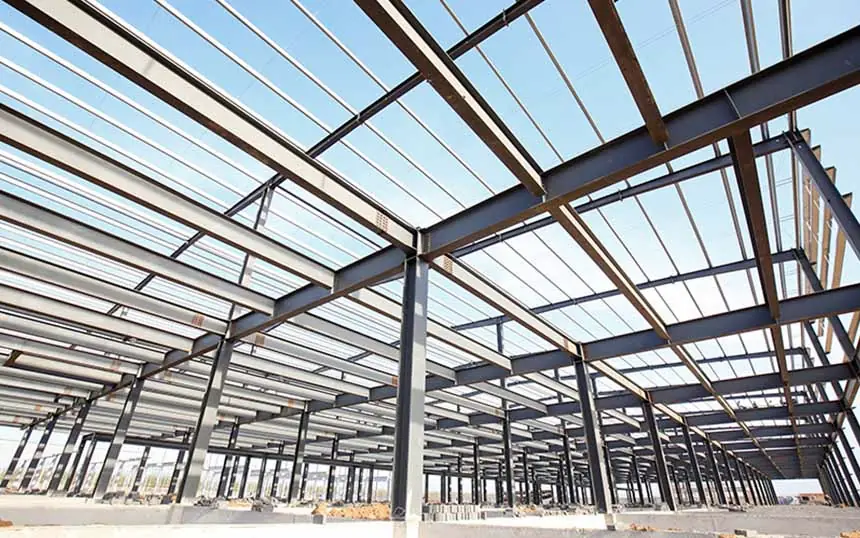
What the audit covers, zone by zone
We divide the roof into zones by bay and slope, and in each zone we look at seven things.
- Fasteners and seams. Backed-out, missing or rusted screws, washers that have perished, side laps that have opened, and end laps without sealant.
- Leak paths. Penetrations from vents, pipes, cables and old solar or HVAC brackets, cracked skylights, flashings that have lifted, and ridge caps that no longer seal.
- Corrosion. Red rust on the sheet, white rust on galvanised trims, cut edges that were never touched up, and the underside where condensation drips.
- Drainage. Gutter falls, outlets, downpipes, silt and plant growth, and whether the gutter can take a cloudburst or overflows back under the sheet.
- Condensation. Drip marks on machines and stock, insulation that has sagged or soaked, and ventilation that is not moving air.
- Structure. Purlins losing section to rust, sag rods missing, bracing cut for services, and any sheet that has been over-spanned.
- Safety. Fragile skylights with no guarding, no walkways or lifelines, and access ladders that would not pass an inspection.
How the roof is scored
Each item in each zone gets a score, and the scores roll up into four indices. The Roof Condition Index is out of 100 and describes the overall state of the roof. The Leak Risk Index, Corrosion Risk Index and Safety Risk Index are each out of 10 and tell you where the danger is. A roof can score 70 overall and still have a Safety Risk Index of 8 because of unguarded skylights, and the report says so on page one.
What the report contains
The report is the Roof Health Passport. It holds a zone plan of the roof, the four indices, a photograph and a location for every defect, a priority list split into "this month", "before the monsoon" and "at the next shutdown", and a costed recommendation for each item: repair, reroof or reinforce. The last pages are the inspection log and the maintenance record, which stay with the building and are updated at every future visit.
You own the report. There is no obligation to give us the repair work, and plenty of plants use the list with their own maintenance contractor.
How long it takes and what it costs
A roof of 5,000 sq m takes about one day on site with two people, and the written report follows within a week. Larger roofs or several buildings are planned over more days.
The fee depends on the roof area, how complex and accessible the site is, the roof system, and how detailed an inspection you need. As a guide, a detailed audit costs:
| Roof area | Approximate fee, plus GST |
|---|---|
| Up to 1,000 sq m | ₹15,000 to ₹20,000 |
| 1,001 to 2,500 sq m | ₹20,000 to ₹30,000 |
| 2,501 to 5,000 sq m | ₹30,000 to ₹45,000 |
| 5,001 to 10,000 sq m | ₹45,000 to ₹65,000 |
| Over 10,000 sq m | Quoted for your roof |
These fees are before GST, which is added at 18%. We confirm the fee for your roof before we come. We respond within 48 hours of your enquiry with the price and a date. Access equipment is usually yours; if the roof has no safe access we bring a lifeline kit and price it in.
Who does the audit
Audits are carried out by Ramakant Yadav, our Production In-charge, with a fitter from the erection crew. The people scoring the roof are the same people who would repair it.
What the audit does not do
We do not open up the roof during an audit. If we suspect a purlin has lost section behind the insulation, the report says so and recommends an opening-up inspection as a separate step, with your approval. We do not carry out structural calculations on the frame either. Where the report flags a structural doubt, your structural engineer runs the numbers, and we give them the survey they need.
How a roof audit runs
- You tell us about the roofBuilding size, age, what you have noticed, and whether you have the original drawings.
- We quote and fix a datePriced on the roof area, with a date that suits your production.
- One day on the roofTwo of us walk every zone, photograph every defect and check the gutters and the underside from the floor.
- The Roof Health PassportScores, photographs, priorities and costed recommendations, delivered as a document you keep.
- A walk-through with youWe go through the report with your plant head so the priorities are agreed.
Tell us the building and the age of the roof and we will quote the audit and fix a date.
Get a quoteQuestions we get asked
What does a roof audit cost?
As a guide, ₹15,000 to ₹20,000 for a roof up to 1,000 sq m, rising to ₹45,000 to ₹65,000 for 5,001 to 10,000 sq m, plus GST. Larger roofs are quoted for the roof. The fee depends on the area, how complex and accessible the site is, the roof system and how detailed an inspection you need, and we confirm it before we come.
How often should a factory roof be audited?
Once a year, and after any storm that lifted sheets or filled the gutters. A new roof can go five years on its first passport, but once the roof is past 8 to 10 years an annual score is the only way to see it getting worse before the leak appears.
Should we audit the roof before installing solar?
Yes. Solar panels add load on the purlins, hundreds of penetrations through the sheet, and foot traffic from installers who are not roofers. Sheets and purlins under the array are almost impossible to replace once it is up. Audit first, fix what needs fixing, then let the installer on.
When before the monsoon should we book?
Six to eight weeks before, so the gutters can be cleared and the urgent fasteners and sealant replaced with dry weather still to come. An audit in the first week of the monsoon tells you where the leaks are, but by then the repair has to wait for a dry spell.
Do you walk on the sheets?
On the purlin lines only, in harnesses clipped to a lifeline, and never on skylights. If your roof has no safe access we say so before the audit and bring our own lifeline kit. A roof that cannot be walked safely is itself a finding that goes in the safety index.
What if you find something urgent while you are up there?
We tell your plant head the same day, before the report is written. A sheet about to come off in the next storm or a gutter about to overflow onto a panel board does not wait a week for a document. Where you want it, our crew can make the roof safe on the spot and the permanent repair is priced in the report.