
Twice a year, and after every storm
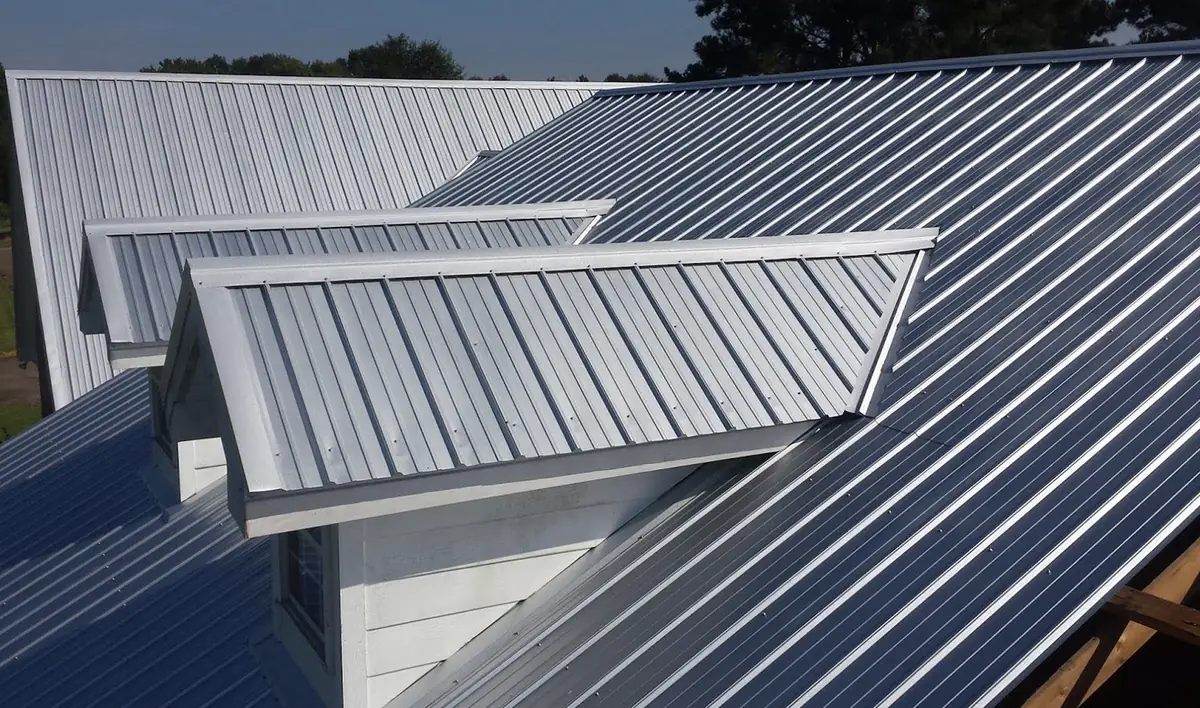
Inspect a metal roof twice a year, once before the monsoon and once after it, and go up again after any storm strong enough to move a hoarding. That is the rule in our own roof rule book, and it is the minimum that keeps a small defect from becoming a reroof. A crushed washer found in May costs one screw, and the same washer found in October, after four months of water running into the purlin, costs a sheet, a purlin repair and a shutdown.
The pre-monsoon visit is the important one. Gutters get cleaned, laps and fasteners get looked at, and anything that was added to the roof in the last year, a vent, a cable, a solar frame, gets a proper flashing. The post-monsoon visit is where you find what the rain did. Both take a morning on a roof of ordinary size, and both should be written down, so that next year's inspector can see what last year's found.
Why a 25-year roof fails at 12
An industrial roof in colour coated galvalume is designed to last 20 to 25 years. Many fail in 10 to 12. The sheet is rarely the reason. Nobody watches the roof after handover. The contractor leaves, the architect moves to the next job, the owner's maintenance team looks after the machines and the floor, and the roof gets attention only when water lands on a pallet.
By then the damage has been going on for years. A screw hole that weeps in year three rusts its purlin by year six. A blocked gutter in year four holds water against the eave sheet through every monsoon after that. Silt and leaves on a low pitch hold moisture against the paint, the paint chalks, the coating under it goes, and the rust line spreads along the valley. None of this is visible from the floor until it is expensive. We have been asked to reroof buildings whose sheets still had ten years in them, because the fasteners and gutters had been left alone for a decade.
A roof that has one named person responsible for it, with a diary date twice a year and a written record, reaches its design life.
When to get a professional audit instead of a walk-round
Your own staff can do the twice-yearly walk-round from the monsoon checklist. A scored audit by a roofing team is a different thing, and there are times when only that will do.
- The roof is older than eight to ten years. After that, the fasteners, sealants and coating are all past the point where a glance tells you anything. One audit, then a plan.
- Before putting solar on it. Solar panels add load, add hundreds of penetrations and cover the sheet for 25 years. Every leak under a panel array is a leak you cannot reach. Get the roof scored, fix what it finds, and then let the solar contractor on it. We see too many roofs where the order was the other way round.
- Before an expansion. If a new bay joins the old building, the old roof has to take the new gutter, the new flashing and the new loads at the junction. Know its condition first.
- Repeated leaks in the same place. A leak that comes back after two repairs is a design or drainage problem, and patching it a third time is money thrown away.
- Visible rust, loose fasteners, sheet movement in wind, damaged skylights, or gutters that overflow. Any one of these on its own is a reason.
- Before the monsoon, every year, on a roof with a history.
What an audit scores
An audit is an inspection with numbers attached, so that two roofs, or the same roof in two years, can be compared. Ours, delivered through MNF Projects, works zone by zone across the roof and scores seven things in each zone: fasteners and seams, leak paths, corrosion, drainage, condensation, the structure and safety.
Those scores roll up into four indices on a document we call the Roof Health Passport. The Roof Condition Index is out of 100 and is the overall state of the roof. The Leak Risk Index, the Corrosion Risk Index and the Safety Risk Index are each out of 10 and say how likely the roof is to let water in, to lose its coating and steel, and to hurt someone who walks on it. The passport also carries the inspection log and the record of any maintenance contract, so it becomes the roof's file over its life.
Behind the scores sits a set sequence: we audit, diagnose, prioritise, plan, carry out the corrections you approve and come back once a year to re-score. The plan is the part owners find most useful, because it separates what must be done this month from what can wait for next year's budget, and it settles the repair-against-reroof question with figures rather than opinion.
Nine rules for your staff and your vendors
Most roof damage after handover is done by people who were sent up for something else. Our roof rule book gives factory staff and outside vendors nine rules. Pin them up near the roof access ladder.
- No penetrations without approval. Every hole through the sheet is planned, flashed and recorded.
- Controlled access. One person holds the key to the roof, and knows who is up there and why.
- Walk only on the purlin lines, never on the sheet between them.
- Nothing is stored on the roof, however briefly.
- Gutters are cleaned at least twice a year and always before the monsoon.
- No chemical exposure. Fumes, washings and spills from the process stay off the sheet.
- The roof is inspected twice a year and after every storm, and the inspection is written down.
- There is an emergency leak protocol: who to call, what to move, what not to touch.
- Vendors comply. Solar, HVAC, electrical and telecom teams read these rules before they go up, and their work is checked after.
Rule nine is the one that saves the most. A roof that was tight at handover and leaks a year later has almost always had a vendor on it in between.
What to do with the report
The point of scoring the roof is to act on the score, in three steps.
First, do the critical corrections now, before the next monsoon. These are usually fasteners, laps, blocked drainage and the worst of the corrosion, and they are cheap in proportion to what they prevent. Second, put the rest into a roadmap by year, so that the roof has a budget line like any other asset. Third, decide who watches it. For most owners that means an annual maintenance contract with a scheduled inspection, a written report each time, and a number to call when it rains, so that the roof has someone responsible for it for the rest of its life.
We do not promise a leak-free roof on a building we did not audit. Once we have scored it and fixed what it needs, the maintenance contract says in writing what we will stand behind.
Sources and standards referred to
- MNF Projects roof audit process and Roof Health Passport
- MNF Roof Rule Book for factory staff and third-party vendors
- IS 875 (Part 3): wind loads, for storm exposure at eaves and corners